
Here is a study on FUS ALS which proposes that FUS ALS patients might benefit from administration of interferon-gamma (IFNγ). Interferon-γ 1b is approved by the U.S. Food and Drug Administration to treat chronic granulomatous disease and osteopetrosis. In approximately 90% of cases, ALS is sporadic, but around 10% of patients exhibit familial mutations. Subtypes of ALS are categorized based on the affected gene, including superoxide dismutase 1 (SOD1), TAR DNA-binding protein 43 (TDP-43), chromosome 9 open reading frame 72 (C9ORF72), and Fused in Sarcoma (FUS), with FUS leading to one of the most aggressive and early-onset forms of the disease.
FUS is a component of the heterogeneous nuclear ribonucleoprotein (hnRNP) complex and is involved in DNA/RNA binding, DNA damage repair, splicing, and various aspects of RNA metabolism. Over 50 different FUS gene mutations have been identified in ALS patients. Mutations often affect the nuclear localization signal (NLS) domain, leading to improper cytoplasmic localization and nuclear clearance of FUS, resulting in an aggressive pathological phenotype. The most common FUS mutation affects arginine 521 (R to H, C, or G). Incorrect FUS localization also occurs in other forms of familial and sporadic ALS cases, suggesting a common mechanism.
Studying ALS pathobiology is challenging due to the high costs and morbidity associated with the disease. Reliable disease models are essential, so the study used induced pluripotent stem cells (iPSCs) derived from FUSR521H ALS patients to generate motor neurons (motoneurons) for research.
As iPSCs rejuvenate as a result of reprogramming and ALS symptoms are primarily associated with aging, the authors exposed iPSC-derived motor neurons to oxidative stress (by means of sodium arsenite) to model aging-associated effects.
These models revealed that ALS motor neurons are more sensitive to oxidative stress than control motor neurons. ALS iPSC-derived motoneurons exhibited abnormal cytoplasmic FUS localization, reduced translation rates, and increased sensitivity to oxidative stress-induced apoptosis.
The study further explored altered gene expression patterns and signaling pathways in FUS ALS motoneurons.
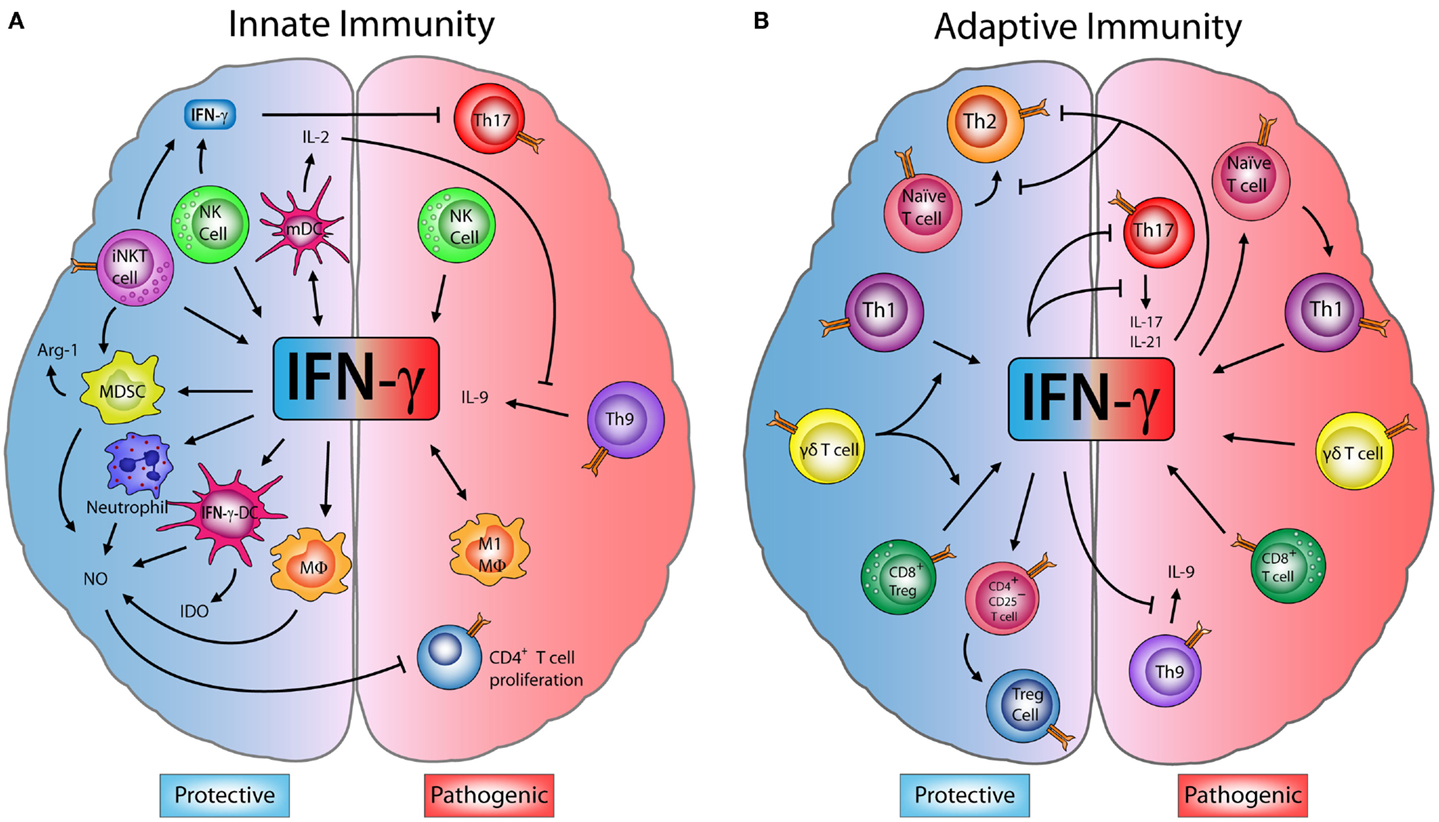
As cytokine measurements showed reduced secreted IFNγ in FUS ALS motorneurons treated with sodium arsenite, and as authors recently found that inflammatory cytokines can protect cells from stress-induced cell death (Hong et al., 2022), they tested whether this was also true for FUS ALS motorneurons.
For this, the scientists supplemented sodium arsenite-treated FUS ALS motorneurons with IFNγ and found that this indeed increased viability of FUS ALS motorneurons to levels similar to SA-treated control motorneurons.
Furthermore, IFNγ treatment reduced the fraction of apoptotic FUS ALS motorneurons following sodium arsenite exposure. Importantly, they also found that IFNγ treatment resulted in an increased IFNγ transcriptional response in SA-treated ALS motorneurons, indicating that IFNγ treatment was sufficient to rescue the impaired IFNγ response observed in SA-treated ALS motorneurons.
As treatment with interferon-gamma (IFNγ) reduced oxidative stress-induced apoptosis and improved translation rates and nuclear FUS localization in FUS ALS motoneurons, the authors suggest that early-diagnosed FUS ALS patients might benefit from IFNγ treatment to slow disease progression.
While this is not suggested by the study, one might reflect that the described effects of FUS in ALS are similar to SOD1 and TDP-43 ALS, so maybe IFNγ treatment might be beneficial in these cases also.
In summary, the study investigates the impact of FUS mutations on ALS using iPSC-derived motoneurons, revealing insights into the disease's underlying molecular mechanisms and proposing potential therapeutic strategies involving IFNγ treatment.
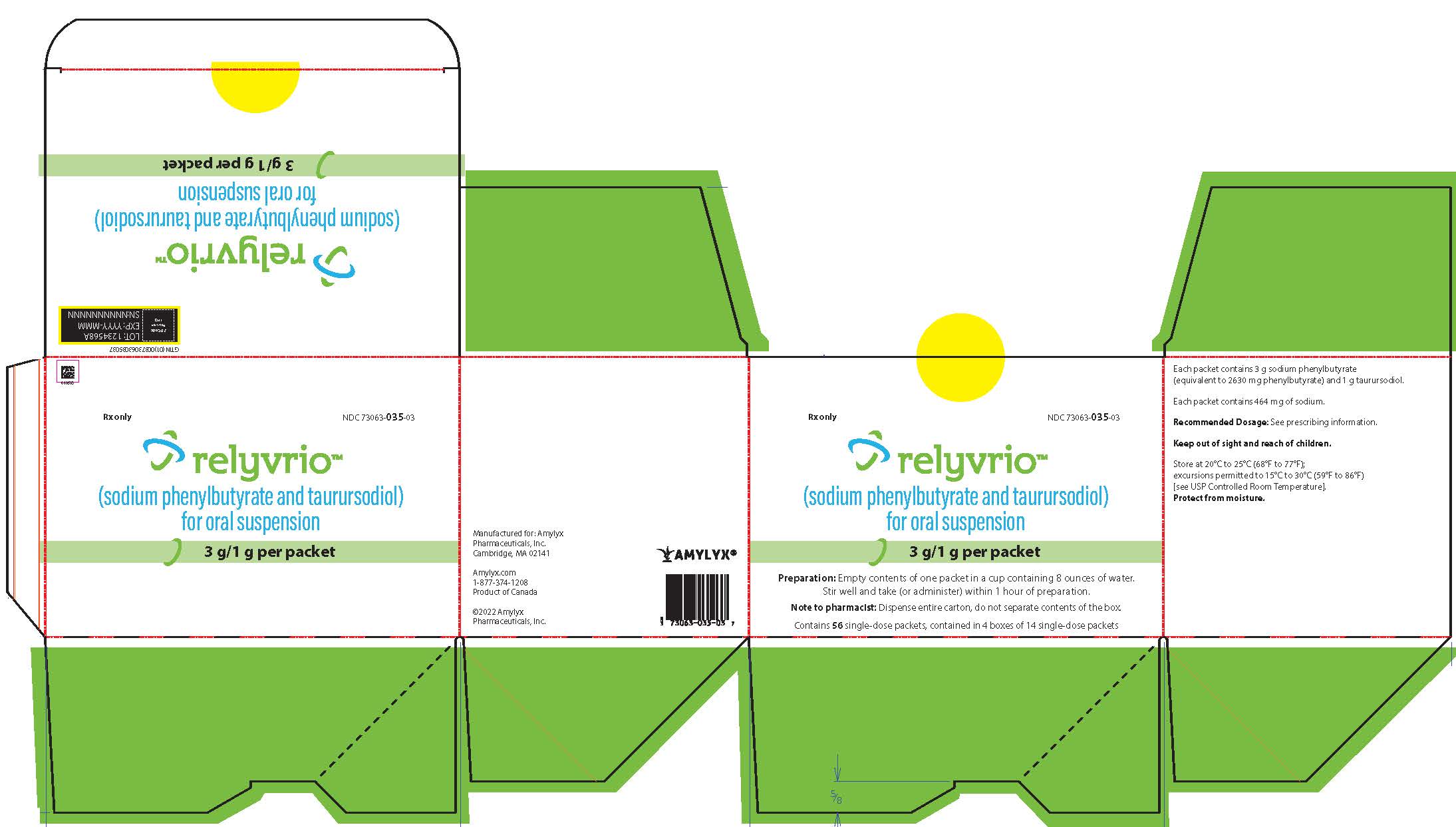 La FDA et l'agence Européenne des médicaments ont exprimés de nombreux doutes sur l'efficacité de ce médicament au cours de l'essai CENTAUR.
Ces doutes concernent l'exclusion d'un certain nombre d'évènements défavorables lors de l'analyse statistique, ainsi que le fait que certains patients ont aussi reçu du Riluzole et de l'Edaravone.
En particulier il y a plus de patients ayant reçu de l'Edaravone dans la branche contrôle que dans la branche traitement, or certains scientifiques et agences du médicament pensent que l'Edaravone a un effet négatif sur l'évolution de la maladie. Certains médecins ont également attribué les "bons" résultats au TUDCA.
Au final à 24 mois il n'y a pas d'amélioration de la survie.
La FDA et l'agence Européenne des médicaments ont exprimés de nombreux doutes sur l'efficacité de ce médicament au cours de l'essai CENTAUR.
Ces doutes concernent l'exclusion d'un certain nombre d'évènements défavorables lors de l'analyse statistique, ainsi que le fait que certains patients ont aussi reçu du Riluzole et de l'Edaravone.
En particulier il y a plus de patients ayant reçu de l'Edaravone dans la branche contrôle que dans la branche traitement, or certains scientifiques et agences du médicament pensent que l'Edaravone a un effet négatif sur l'évolution de la maladie. Certains médecins ont également attribué les "bons" résultats au TUDCA.
Au final à 24 mois il n'y a pas d'amélioration de la survie.
 In the case of ALS, the clusters of TDP-43 are also located in the cytosol, i.e. where the proteins are produced, before being folded up in the ER and then sent to their place of use by the Golgi apparatus. After shipment, TDP-43 should be in the nucleus.
 Des preuves cliniques et épidémiologiques établissent un lien entre les altérations métaboliques et l'apparition et la progression de la sclérose latérale amyotrophique. Ces défauts métaboliques précèdent les symptômes moteurs, ce qui suggére que ces défauts sont au moins en partie à l'origine de la SLA.
 Des scientifiques se sont demandé quel était l'impact de l'exposition aux stéroïdes endogènes et synthétiques chez les patientes atteinte de la SLA. Ils ont comparé cet impact à celui d'un groupe comparable mais ne souffrant pas de la SLA.
 The authors initially hypothesized that activation of the inhibitory co-receptor PD-1 by recombinant PD-L1 would be anti-inflammatory. However, recombinant PD-L1 ligand and recombinant PD-1 receptor were strongly pro-inflammatory.
Then they abandoned the PD-L1 strategy and chose a strategy with dimethyl fumarate (DMF), a drug approved against two autoimmune diseases, multiple sclerosis and psoriasis, and the cGAS- STING H-151 involved in autoimmunity.
The authors initially hypothesized that activation of the inhibitory co-receptor PD-1 by recombinant PD-L1 would be anti-inflammatory. However, recombinant PD-L1 ligand and recombinant PD-1 receptor were strongly pro-inflammatory.
Then they abandoned the PD-L1 strategy and chose a strategy with dimethyl fumarate (DMF), a drug approved against two autoimmune diseases, multiple sclerosis and psoriasis, and the cGAS- STING H-151 involved in autoimmunity.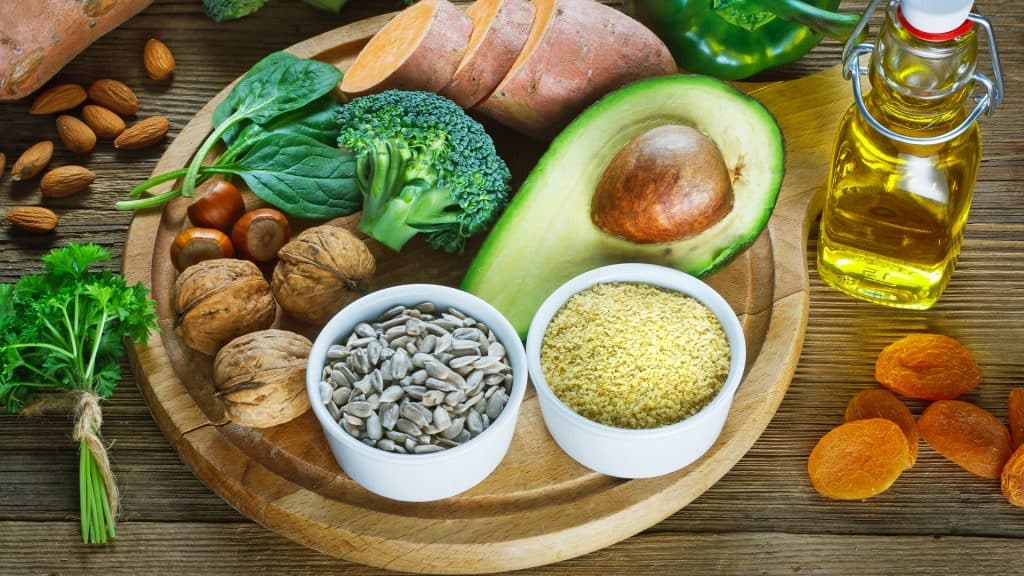 Les inhibiteurs classiques de mTOR tels que la rapamycine ou la metformine peuvent améliorer les dommages aux neurones. Une autre approche importante pour lutter contre les ND est l'utilisation de produits/composés naturels comprenant des antioxydants, des flavonoïdes, des polyphénols et des acides gras polyinsaturés (PUFA). Diverses études ces dernières années ont montré les effets bénéfiques des acides gras poly insaturés (AGPI) oméga-3 à travers divers mécanismes dont des effets anti-inflammatoires. Les acides gras oméga-3 les mieux étudiés sont l'acide docosahexaénoïque (DHA), l'acide eicosapentaénoïque (EPA) et l'acide α-linolénique (ALA).
 SOD1, a protein involved in 2% of ALS cases contains a binuclear Cu/Zn site in each subunit. So it seems there is some relation between copper and ALS. It is believed that CuATSM's mechanism of action involves restoring the balance of copper ions and preventing the buildup of toxic forms of copper. But this is at best highly speculative.
 L'étude visait à analyser les caractéristiques démographiques et cliniques des patients, y compris les différents sous-types de SLA, la progression de la maladie, les retards de diagnostic, l'intervention de ventilation non invasive (VNI) et les taux de survie. L'étude a inclus un total de 1 550 patients qui ont visité la clinique entre 1994 et 2020.